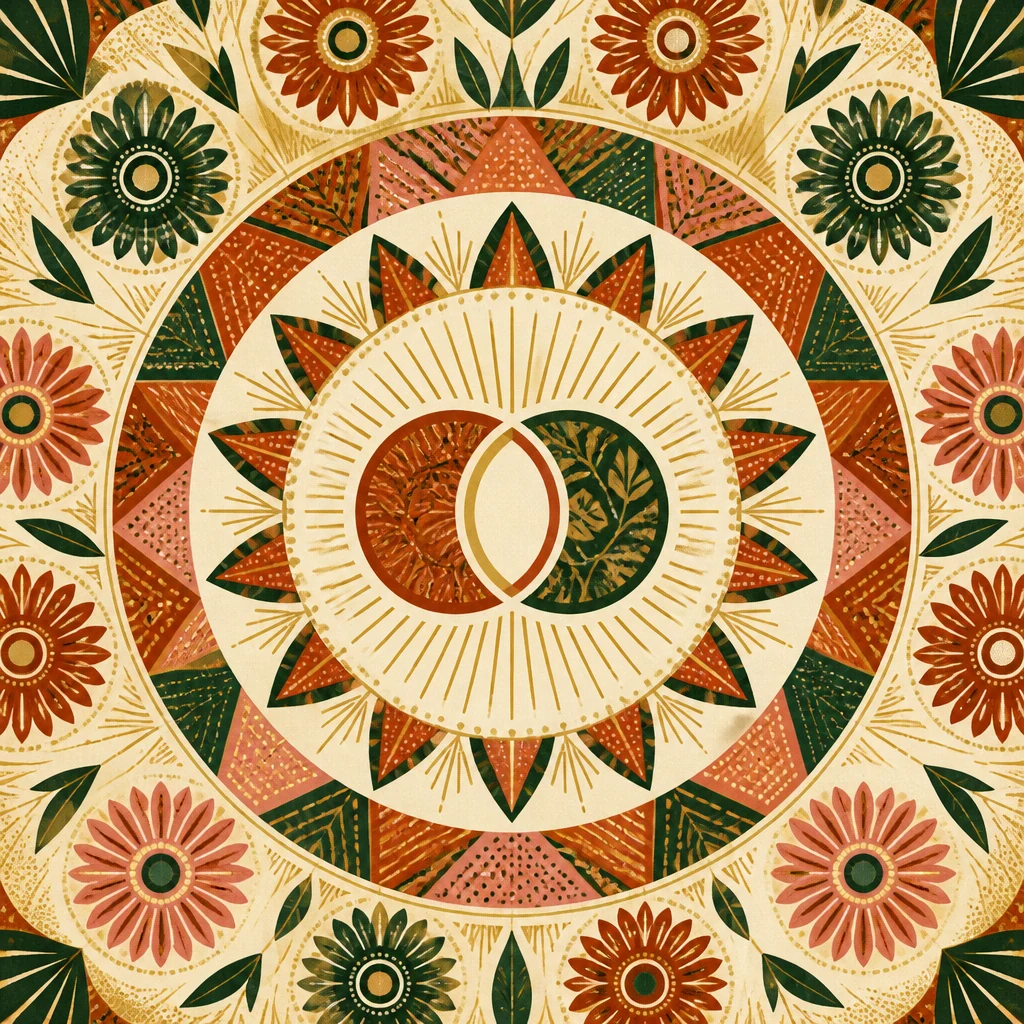
African Wedding Website Design Ideas
African weddings are celebrations of color, community, and heritage — and the websites for them can be just as vibrant. Whether your wedding is a traditional ceremony, a modern celebration, or a beautiful fusion of both, your wedding website has a rare opportunity: to carry the visual language of your culture — the prints, colors, and patterns that make your celebration unmistakably yours.
This guide covers African wedding website design ideas: the palettes, patterns, typography, and cultural details that honor heritage while staying modern, readable, and practical for guests.
The Design Languages of African Celebration
African wedding design isn't one style — it's a rich family of visual languages across a vast continent. The most common directions couples choose:
The Ankara / wax-print statement. Bold, colorful African wax print patterns — geometric, abstract, or figurative — used as the site's signature element. Ankara is joyful, loud, and unmistakably celebratory. The design challenge is discipline: a little Ankara goes a long way. Use the pattern as an accent — a header band, a hero frame, a section divider — and let it pop against calm backgrounds.
The Kente heritage look. Kente's distinctive geometric weaves, often in gold, green, black, and red, carry deep cultural significance. A Kente-inspired band across the top of the site, or woven motifs in the dividers, adds heritage and ceremony. Often paired with gold accents for regality.
The modern minimalist with African accents. A clean, modern site where the African identity comes through in specific, chosen details: a bold pattern block, a Kente band, a palette drawn from the wedding's traditional elements. This is the most versatile direction — it lets the culture speak without overwhelming the practical pages.
The rich color story. Deep, saturated palettes — emerald and gold, burnt orange and indigo, terracotta and mustard, rich browns with brass accents — that echo the wedding's colors, fabrics, and florals. Color does the cultural work even when patterns are subtle.
The fusion approach. Traditional elements (patterns, colors, symbols) combined with modern design: a Kente band over a minimal layout, Ankara accents on an otherwise contemporary site. Fusion reflects how many couples live their culture: deeply rooted, fully modern.
Palettes That Celebrate
African wedding palettes are confident, warm, and saturated — but they still need structure:
Emerald, gold, and cream. Regal and celebratory. Deep emerald with gold accents on cream — a palette that echoes Kente and traditional regalia. Elegant, warm, and deeply ceremonial.
Terracotta, mustard, and indigo. The earthy, warm direction: terracotta and mustard with deep indigo for contrast. Feels like sunset, earth, and celebration. Fresh and distinctive.
Bold Ankara colors. Let the wax print lead: fuchsia, orange, teal, yellow — drawn directly from a favorite fabric. Use the loud colors in the pattern elements and calmer versions in the layout so the site stays readable.
Black, gold, and white. The dramatic formal direction: black backgrounds with gold and white accents. Powerful, ceremonial, and modern. Gold does the regal work; the black gives it gravity.
Warm neutrals with brass. Cream, sand, and umber with brass or copper accents. Understated and sophisticated — the culture comes through in warmth and material rather than pattern.
The palette rule: choose two to three main colors plus a neutral. African palettes are rich, but the site still needs contrast discipline — saturated colors for accents and moments, calm colors for content.
Patterns: The Signature Element
Pattern is where African wedding sites most often make their cultural statement. The discipline of using it well:
One pattern, repeated. Choose a single pattern — a wax print, a Kente weave, a geometric motif — and use it consistently: header band, section dividers, footer, RSVP confirmation. Repetition creates identity; mixing patterns creates noise.
Pattern as frame, not wallpaper. Use the pattern in defined bands and blocks — a strip across the hero, a border around the content column — rather than as a full-page background behind text. The pattern should frame the content, never compete with it.
Pattern in the details. Small uses carry a lot of meaning: a pattern strip beside the names, a patterned monogram frame, a patterned edge on the photo gallery. Guests notice the details; the details make the design.
Scale matters. A large-scale bold print behind a headline can work if the pattern area is clearly separated from the text. When in doubt, keep pattern areas away from body copy.
Meaning with intention. If you're using culturally specific patterns (Kente weaves, Adinkra symbols, specific wax prints), learn and honor their meaning. Many symbols carry significance — using them with knowledge adds depth; using them carelessly risks disrespect. A quick conversation with family or a cultural consultant is worth it.
Symbols and Motifs With Meaning
Beyond pattern, cultural symbols can personalize the site:
Adinkra symbols. Ghanaian symbols carrying proverbs and concepts — Sankofa (return and get it), Gye Nyame (the supremacy of the divine), and others — used as elegant graphic motifs. A single meaningful symbol, chosen for what it represents to your relationship, becomes the site's emblem. Use them correctly and with respect — they are not decoration; they are language.
The monogram with heritage. An interlocked initial styled within a traditional frame or alongside a cultural motif — the couple's mark, made theirs.
The cowrie shell. A symbol of wealth, fertility, and protection in many African cultures — used as a subtle accent or in the bride's adornment photos.
The meaningful color. Specific colors carry meaning in many traditions — white for purity and new beginnings, gold for prosperity, red for vitality. Let your chosen meanings guide the palette, and tell guests about it in your story or FAQ.
The rule: every symbol should be chosen with knowledge and used with intention. If you can't explain what a symbol means, either learn it or don't use it.
Typography for African Wedding Sites
The bold display serif or sans. Headlines with presence — a confident serif or a strong geometric sans — set large. African wedding sites can carry bolder type than delicate European styles; the type should have weight to match the color and pattern.
The script accent. A graceful script for names and accents — romantic and ceremonial. Works beautifully with rich palettes.
The legible body. Clean, readable body type for details and logistics. With patterns and rich colors around, the body copy must be the calm center.
The label style. Small caps or letter-spaced labels in gold or a deep accent — "OUR STORY," "TRADITIONS," "RSVP" — echoing the ceremonial tone.
The rule: strong display type, warm body type, and one script accent. The pattern and color carry the culture; the type carries the message.
Layouts That Balance Celebration and Clarity
The bold hero. Names and date in large type, with a pattern band above or below and rich color behind. The hero should feel like the cover of a celebration — grand, warm, immediate.
The story with tradition. Your love story page interleaved with your cultural narrative: where your families are from, the traditions you're honoring, the meaning of your ceremony elements. Photos of traditional attire, family, and ceremony details belong here.
The traditions page. A dedicated page explaining your ceremony's cultural elements — the attire, the rituals, the music, what each moment means. Guests who don't share your culture will deeply appreciate being welcomed into the meaning. This page turns your website into a bridge.
The gallery in color. Photos at full saturation, presented in a clean grid with pattern accents in the gutters. Let the images — the fabrics, the jewelry, the joy — be the richest element.
The practical pages, kept calm. Schedule, travel, and FAQ with pattern dividers but calm backgrounds. Celebration on the cover, clarity in the details.
The RSVP with warmth. The RSVP page framed with a warm, ceremonial line and a pattern accent. Functional, but clearly part of the celebration.
Photography for African Wedding Sites
Let the color sing. Don't desaturate or filter away the vibrancy. Rich, warm, natural color shows the fabrics and joy authentically.
Include the details. The lace, the gele, the beads, the kente, the cowries, the jewelry — macro shots of the wedding's material culture tell the story.
Show the celebration. African weddings are famously communal — crowd shots, dancing, laughter. Photos of celebration convey more than posed portraits.
Traditional and modern. Include both traditional-attire photos and modern ones. The pair tells the full story of who you are.
The hero choice. Choose a hero image with the same energy as the design — rich color, joyful moment, strong composition.
Building an African-Inspired Site From a Template
1. Choose the palette first — from your wedding's colors, fabrics, and cultural elements. Set it in your theme's color settings. Platforms with editable themes (like Joyfullday's) make this a settings change.
2. Bring in your pattern — as a header band or accent image. If you can't find the pattern online, photograph your actual fabric and use the photo as the pattern element — authentic and personal.
3. Set the typography — bold display, readable body, one script.
4. Add the symbols with meaning — an Adinkra symbol, a monogram, a motif — and explain it in your story or traditions page.
5. Write the cultural copy — the traditions page, the meaning of the attire, the story of the families. This is where the website becomes more than a design.
6. Curate the gallery — color-forward, detail-rich, joyful.
7. Test readability — patterns and rich colors must never win over the schedule or the RSVP.
Common Mistakes
Pattern overload. Ankara backgrounds behind text, patterns on every section, symbols everywhere — overwhelming and unreadable. One pattern, used in defined places.
Using symbols without meaning. Decorating with culturally significant symbols you can't explain. Learn the meaning, honor it, and share it with guests.
Washing out the color. Applying a muted "European minimal" filter to everything defeats the point. African design is confident in color — let it be.
Ignoring practicality. A gorgeous celebratory site where the RSVP is buried or the schedule is unreadable fails its guests. Celebration and clarity must coexist.
Cultural clichés. A single stereotype element (a generic "tribal" pattern) without real connection to your heritage can feel hollow. Authenticity beats decoration — use patterns and symbols with genuine meaning to you.
Forgetting the fusion. Modern African weddings often mix traditions — and the site can too. You don't have to choose between modern design and cultural richness; the best sites fuse both.
Frequently Asked Questions
We're having both a traditional and a white wedding — how does the site handle both? Beautifully — list both ceremonies with dates, times, venues, and dress codes. Many couples have two events on the same weekend; the site is the natural place to present both clearly.
Guests from different cultures — how do we help them? The traditions page is your gift to them: explain the attire, the rituals, the expectations (when to stand, what to wear, what the moments mean). Knowledgeable guests celebrate more fully.
Can the site be elegant rather than loud? Absolutely — the modern minimalist with African accents direction gives you culture with restraint: a Kente band, a rich palette, meaningful symbols, clean layout.
Should the website match the wedding's traditional elements? Yes — draw the palette from the fabrics and the motifs from the ceremony. The site should feel like the wedding's digital twin.
How do we get good pattern assets? Photograph the actual fabrics you're using — the prints, the kente, the lace — and use those photos. Real materials from your wedding are more authentic and more personal than stock patterns.
Final Thoughts
African wedding websites are celebrations in their own right — places where color, pattern, and heritage meet modern design. Choose your register: the bold Ankara statement, the Kente heritage look, or the modern minimalist with African accents. Build the palette from your real fabrics and flowers, pick one pattern and repeat it with discipline, use meaningful symbols with knowledge and intention, and let the photography sing in full color. Add a traditions page that welcomes guests of every background into the meaning of your celebration. The result is a website that doesn't just inform guests — it honors where you come from and shares the joy of where you're going.